


6 Facts every HR manager needs to know from this year’s budget speech
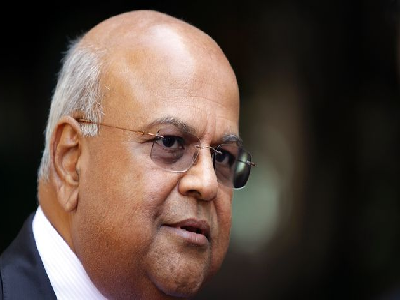
Finance minister, Pravin Gordhan, delivered a safe budget, with no real surprises, last Wednesday 27 February. He announced R7 billion in personal tax relief, which is R2.5 billion less than last year.
1. Personal income tax brackets and rebates have been slightly adjusted to reduce the effect of inflation on tax payable. The amount an individual can earn before being required to pay income tax has been increased, for the 2013/14 tax year, to:
- R67 111 for individuals below 65;
- R104 611 for individuals between 65 and 74; and
- R117 111 for individuals over 75.
2. The annual tax rebates for individuals have been increased:
- The primary annual tax rebate for individuals under 65 has been increased to R12 080;
- For individuals aged between 65 and 75 the rebate’s been increased to R6 750; and
- For those aged 75 and older the rebate’s been increased to R2 250.
The lowest tax bracket remains at an 18% tax rate (annual taxable income up to R165 600). The highest tax bracket remains at a 40% tax rate (annual taxable income of more than R638 600).
3. Effective from 1 March 2012, the medical aid capping system was replaced with a tax credit system, which brought in:
- Equality for all taxpayers under 65;
- Improved benefits for lower earners; and
- A move in line with international best practice.
The medical aid tax credit system is also used in the new tax year, beginning 1 March 2013.
4. Monthly tax credits for medical scheme contributions, i.e. a reduction of tax payable, will be increased from:
- R230 to R242 for each of the first two beneficiaries on a medical scheme; and
- From R154 to R162 for each additional beneficiary on the medical scheme for the 2013/14 tax year.
5. One of the biggest changes was for individuals whose taxable income is earned from one employer and is below R250 000 a year:
- They are not required to submit income tax returns; however they will still be liable to pay income tax. Previously, this annual earnings limit was R120 000. For example, if an individual earned a gross salary of R20 000 per month, no commissions or bonuses, they no longer have to file their tax returns.
This means that there will be more pressure on employers to ensure that tax deductions and calculations on payslips are accurate.
6. Another big proposed change in the budget speech effective from March 2015 is that an employer’s contribution to retirement funds on behalf of an employee will be treated as a taxable fringe benefit in the hands of the employee. Individuals will, from that date, be allowed to deduct up to 27.5% of either their taxable income or employment income (whichever is higher) for contributions to pension, provident and retirement annuity funds. The maximum annual deduction is R350 000.
Contributions above the cap are carried forward to future tax years.
Therefore, all company contributions towards pension, provident and retirement annuity funds will become a fringe benefit, which will increase your employees’ total tax deduction.
If the company contribution to pension, provident and retirement annuity funds is low, there will only be a small impact on the individual.
However, if the company contribution towards pension, provident and retirement annuity funds is substantial, there will be a bigger effect on the individual’s net pay. Because his taxable earnings are greater, the individual will have to pay more tax.


