


Discipline
Employers beware of unfair disciplinary hearings
- Published on 2 Oct 2014
- Ivan Israelstam
The Labour Relations Act (LRA) provides that "every employee has the right not to be unfairly dismissed or subjected to unfair labour practices. Section 188 of the LRA classifies a dismissal as unfair if the employer doesn't prove that the reason for the dismissal is fair and was effected in accordance with a fair procedure. This section doesn't explain what is meant by "a fair reason" or a "fair procedure". However, fairness guidelines have been codified in schedule 8 of the LRA.
Fair disciplinary hearings are not optional
- Published on 17 Sep 2014
- Ivan Israelstam
The Labour Relations Act (LRA), via its Code of Good Practice: Dismissal makes it clear that, while the disciplinary process can be informal, the employee should nevertheless be given a proper opportunity to prepare and present his response. While it is not compulsory for the disciplinary hearing to be formal, section 188(1)(b) of the LRA requires the employer must prove that a dismissal was procedurally fair. Also, the code does grant the employee certain procedural rights.
Ensure that you adhere to disciplinary hearing regulations
- Published on 16 Jul 2014
- Gavin Stansfield and Abdul Allie
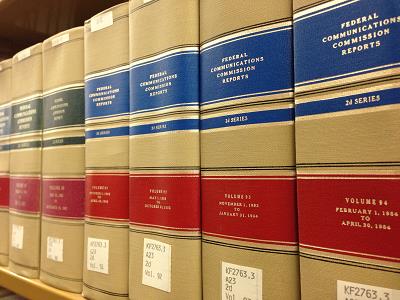
In the case of SAMWU obo T Jacobs v City of Cape Town [2014], the Labour Court considered if a disciplinary hearing held outside the time limits prescribed by a collective agreement rendered the disciplinary hearing null and void.
Should you allow employees to have legal representation at disciplinary hearings?
- Published on 2 Jun 2014
- Ivan Israelstam

Item 4 of the Code of Good Practice: Dismissal - contained in schedule 8 of the Labour Relations Act (LRA) - states that, when an enquiry is held into an employee's alleged misconduct: "The employee should be allowed reasonable time to prepare the response and as well as the assistance of a trade union representative or fellow employee." However, usually employers don't allow external legal representatives to represent employees at disciplinary hearings because of the content of item 4 of the code and disciplinary hearings are seen as internal matters. However, this practice has come into question over recent years.
Polygraph testing: Worthwhile tool in disciplinary action?
- Published on 9 May 2014
- Peter McDermott

It's important to remember you may require an employee to undergo polygraph testing during, for example, a disciplinary action. However, you may not force or coerce (through occupational detriment or similar) an employee to submit to such test as he has a constitutional right to bodily integrity and privacy. Even if the employee previously agreed to polygraph testing (as part of the terms and conditions of his employment contract), he may still legitimately refuse to take the test.


